
Today, September 3, is Biologist Day! And it’s telling that the gender-neutral term is always masculine. Many women in this profession are responsible for discoveries and advances that help advance science in various ways—but their research and expertise are often called into question simply because they are women.
“Did you write that yourself? It’s so well written,” was one of the questions biologist Fernanda Werneck—a researcher at the National Institute for Amazonian Research (INPA) and recipient of one of the world’s most prestigious scientific awards, the “Rising Talents” award, in 2017—heard most often throughout her career.
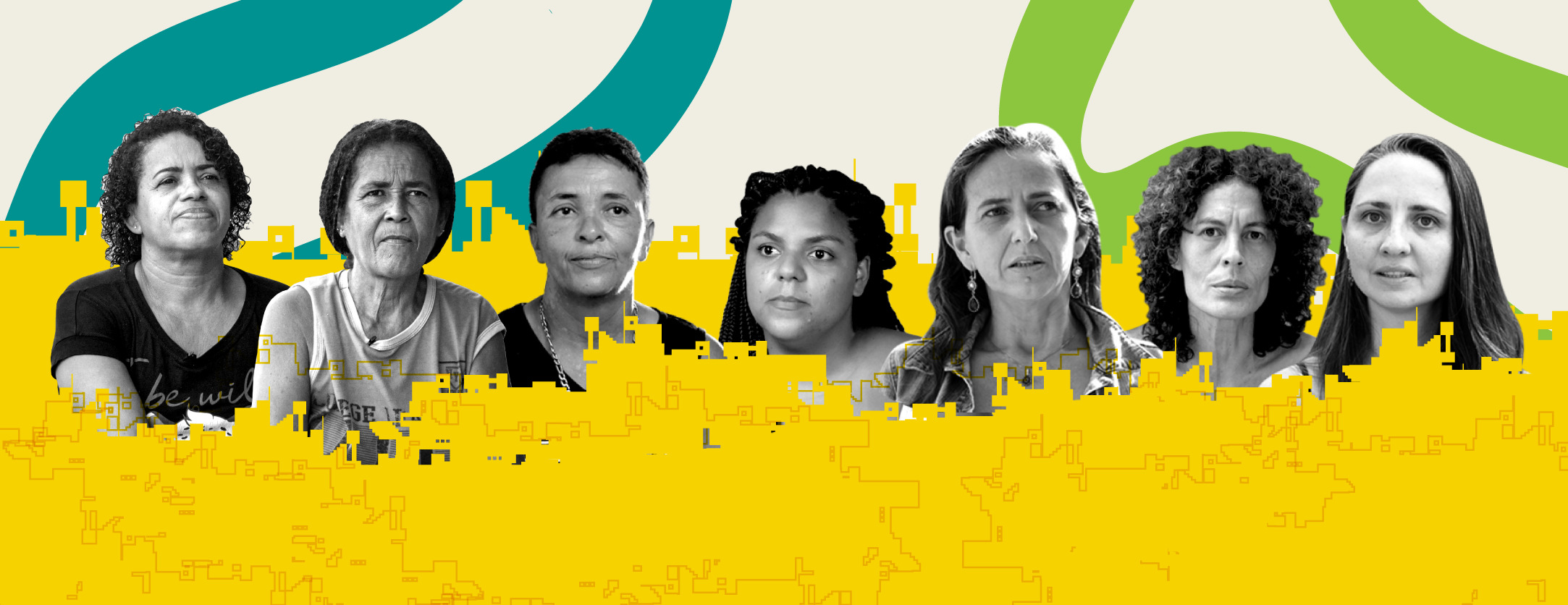
Many advances in health, agriculture, the environment, and technology have only been possible thanks to the essential work of women biologists. To celebrate this occasion, we’re highlighting some Brazilian women biologists whose work or contributions serve as models around the world. Check them out:
Fernanda Werneck
Born in Goiânia, she holds a bachelor’s degree from the Federal University of Brasília and a Ph.D. in Integrative Biology from Brigham Young University in the United States. She studies the effects of climate change on animal life—particularly reptiles and amphibians—as well as the adaptive capacity of species living in the Amazon and the Brazilian Cerrado.
Hannah Balieiro
A young biologist from Pará and a feminist activist involved in discussions on climate change in traditional communities and cities across the Amazon. She is a volunteer with the Network of Young Leaders in Protected and Conserved Areas of Latin America and the Caribbean, and executive director of the Mapinguari Institute. She played key roles at COP-26 and COP-27, bringing the issue of gender and her experiences as an Amazonian woman to the climate debate.
Erika Berenguer
A researcher at the Universities of Oxford and Lancaster and one of the world’s leading experts on fire in tropical forests. For the past 15 years, Erika has spent extended periods of time in the Amazon, studying the impact of human activity and climate change on the forest.
Neuza Frazatti
A biologist with a Ph.D. in Biotechnology from the University of São Paulo, she has worked at the Butantan Institute for nearly half a century. She was a pioneer in the production of vaccines and viral antigens in Vero cells, despite the skepticism of her superiors, who did not believe in the project. Today, she leads the research on Brazil’s first dengue vaccine.